Crown Thinning in Vaughan
Selective cuts inside the canopy let light reach the lawn and take weight off long limbs, without changing the shape of the tree.
- Quoted the same day
- Most jobs done in one visit
What Crown Thinning Covers
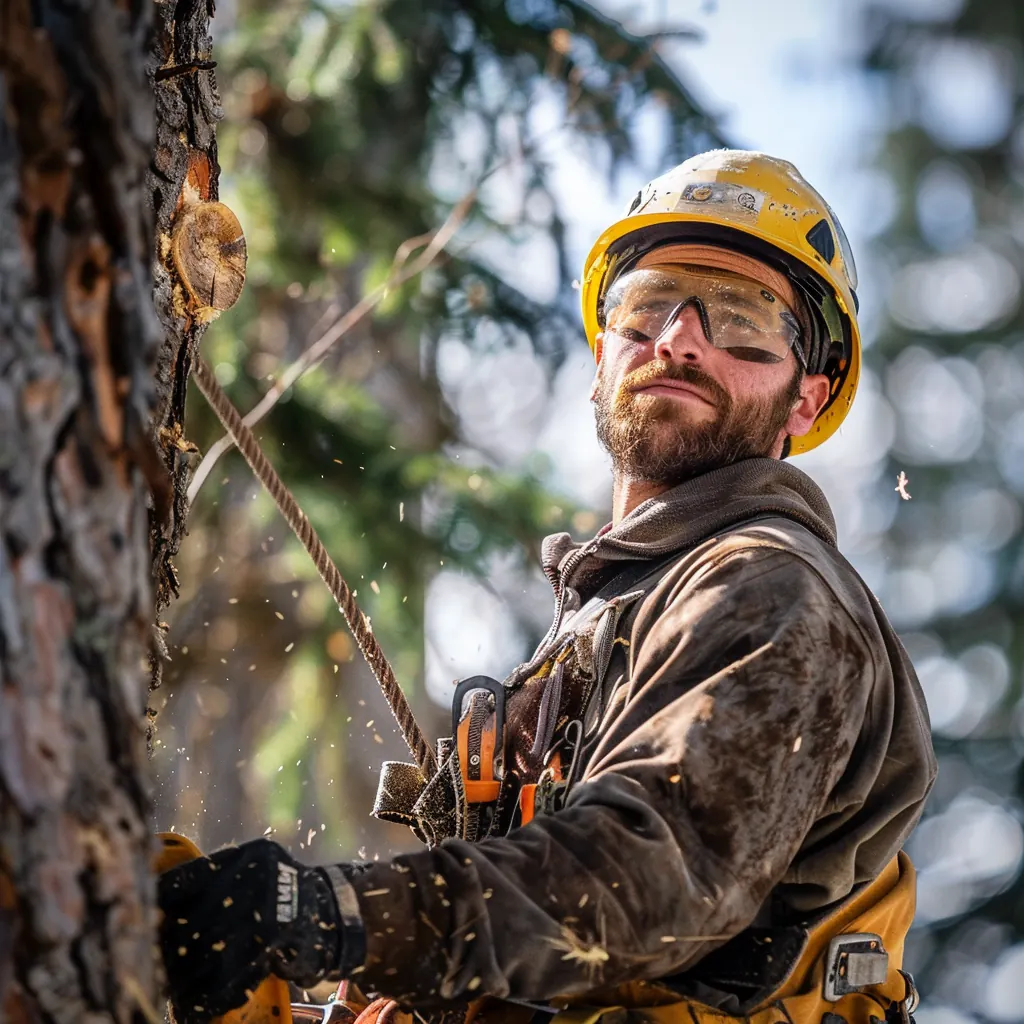
Thinning is done from inside the tree, branch by branch, in one visit for most trees.
- A quote at the tree on the day you call
- Dead, crossing and rubbing branches out first
- Selected live branches removed evenly from the inside to the edge
- No more than about a quarter of the living crown in one visit
- Weight taken off long, heavy limbs and tight forks
- Brush chipped and the yard raked before we leave
Why Thinning Jobs Drag On, and How We Avoid It
A big tree can look like a two-day job. Most aren’t.
-
Waiting on a crew to come and assess it
We look at the tree and quote it the same day you call.
-
Someone offered to top it to save time
Topping is fast and it wrecks the tree. Thinning gives the same relief without the damage.
-
Worry the tree will split in the next storm
Taking weight off long limbs and weak forks lowers the strain right away.
-
A mountain of brush on the lawn
It goes through the chipper as it comes down and leaves with us.
Crown thinning removes selected branches throughout a tree’s canopy so light reaches the ground and wind passes through, while the tree keeps its height and shape. Tree Service Master thins mature trees across Vaughan, from big maples in Thornhill to oaks and spruce on larger Kleinburg lots. We quote the same day, and most trees are thinned in one visit of three to six hours.
What Thinning Does for a Tree
A mature shade tree packs its crown with branches over the years. Many of them cross, rub or grow inward and shade each other out. Thinning takes out a share of those, spread evenly from the inside to the edge of the crown. The tree still looks like itself, only lighter and more open.
- More light on the ground. Grass and gardens under a dense Norway maple often die out. Thinning lets dappled sun through.
- Less wind load. A dense crown acts like a sail. Opening it lets wind pass through instead of pushing on the whole tree.
- Less strain on weak spots. Long limbs and tight V-shaped forks carry less weight once some comes off the ends.
- Faster drying. Leaves dry sooner after rain, which helps against some leaf diseases.
- Less snow and ice load. Fewer small branches catch less of it in a Vaughan winter.
Thinning, Raising, Reduction and Topping
People use these words loosely, so here is what each one means when we quote it:
- Thinning removes branches evenly through the crown. Height and spread stay the same.
- Raising removes the lowest limbs to clear a driveway, a walkway or a view.
- Reduction shortens long limbs back to a side branch at least a third the size of the limb, to pull the crown in from a roof or a fence.
- Topping cuts the main stems back to stubs. We don’t do it, because it leaves the tree weak, full of fast sprouts that snap, and often rotting from the top down.
Most thinning jobs combine the first three. If someone has offered to top your tree, ask us for a thinning and reduction quote instead. It costs about the same and the tree survives it.
How We Thin a Crown
The climber works from inside the tree and starts with what has to go: dead branches, broken ones, and branches that cross or rub. Then we choose live branches to take out, favouring smaller ones from crowded areas and keeping the strong, well-spaced limbs. Each cut goes back to where the branch joins a larger limb, just outside the collar.
We remove no more than about a quarter of the living crown in one visit, and less on an old or stressed tree. We also avoid lion-tailing, where all the inner branches get stripped and only tufts stay at the ends. That puts the weight in exactly the wrong place and makes limbs more likely to snap.
Brush comes down in manageable pieces and goes straight into the chipper. Over a roof or a fence, pieces go down on a lowering line.
Trees That Gain the Most From Thinning
- Silver maples on older streets in Thornhill and Elder Mills, which grow fast and form weak forks.
- Norway maples throughout Woodbridge, which cast the heaviest shade of any common street tree.
- Honey locusts in Maple, Vellore Village and Patterson, which send long limbs out over driveways and roofs.
- Large oaks on bigger Kleinburg lots, thinned only outside the April to July oak wilt window.
- Lindens planted in front yards across Sonoma Heights, which crowd themselves with suckers and inner growth.
What Changes the Price
The table on this page gives typical ranges. The main drivers are the size of the tree, how dense the crown has become, how many limbs need lowering on ropes over a roof or fence, and how far we carry brush to the chipper. Thinning two trees on the same visit costs less per tree.
When to Thin in Vaughan
Late fall through winter suits most trees, because the leaves are off and we can see every branch. Oaks must wait until after July because of oak wilt, which was confirmed in Ontario in 2023. Maples bleed sap if cut in late winter. It does no harm, but some people prefer to wait until summer. See our guide on when to trim trees in Vaughan for each species.
Most mature trees do well with thinning every three to five years. If all you need is limbs off the house, our roof clearance trimming is a shorter, cheaper job.
Signs a Tree Needs Thinning
- The lawn under the tree has thinned to moss or bare soil, even with watering.
- You can’t see sky through the crown in July.
- Branches cross and rub, leaving bare, worn patches of bark.
- Long limbs reach far out with most of their leaves bunched at the tips.
- The tree drops piles of small dead twigs after every wind.
- One side of the crown is much heavier than the other.
Cracks at a fork, mushrooms at the base or a new lean point to problems that thinning won’t fix. Call us for a look before booking, and we will tell you straight what the tree needs.
Permits
Normal thinning on a private tree needs no permit in Vaughan. Work that would injure a tree protected under By-law 177-2025, which covers private trees 20 cm or wider at 1.37 m, can need one, so we keep thinning within normal pruning. City trees on the boulevard are pruned only by the City.
What a Thinned Tree Looks Like Afterward
From the street, a well-thinned tree looks almost the same as before. The outline doesn’t change, and you shouldn’t see raw stubs or bare limbs. What changes is what you see from underneath: patches of sky through the crown, light moving on the lawn, and branches you can follow from the trunk to the tips. If a tree looks hacked after a thinning, too much came off or the wrong branches did.
The brush pile can surprise people. A thinned silver maple can fill a chipper truck, even though the tree itself looks barely touched. That is normal, and it all leaves with us.
Young Trees and Old Trees Need Different Thinning
A young tree, roughly ten to twenty years old, handles cuts well and grows back fast. Thinning there is mostly about structure: one strong leader, well-spaced main limbs, and nothing crossing. An old tree is the opposite. It seals wounds slowly, and a heavy thinning can stress it into decline. On old maples and oaks we take less, focus on deadwood and weight reduction, and come back in a few years instead of doing everything at once.
Thinning Versus Removal
Thinning works when the tree is sound and simply too dense. It won’t save a tree with a rotten trunk, a split fork or a crown that is mostly dead. On an ash with a thinning, dying canopy, a thinning only delays the job, because emerald ash borer keeps killing it from the top. We tell you on the quote visit if a tree is past the point where pruning helps.
Nesting Birds
From spring through summer, birds nest in dense crowns. Federal law protects the active nests of most birds, so we check the crown before thinning in that season. If we find an active nest, we work around it or move the job to later in the year. Fall and winter thinning avoids the issue entirely.
Commercial Properties
Plazas, office lots and rental buildings often have mature trees that have never been thinned. Dense crowns hide signs from the road and drop branches on parked cars. We can thin early in the morning or on a weekend so the parking lot stays open during business hours.
Before We Arrive
Move cars out from under the tree, clear patio furniture from below and unlock the gate. If the tree hangs over a neighbour’s yard, let them know we are coming. You don’t need to be home.
Read next: Tree trimming and pruning
Ballpark first
Typical Crown Thinning Prices
Thinning a mature shade tree usually falls in the first row.
| Job | Typical range |
|---|---|
| Crown thinning | $350 to $1,200 |
| Trimming or pruning, large mature tree | $800 to $1,800 |
| Trimming or pruning, small to medium tree | $250 to $800 |
Typical Canadian ranges for 2026, not a price list. Your quote is free and firm before any work starts.
How fast it goes
How Fast Thinning Goes
-
Day 1
We look at the tree with you and quote the same day.
-
Booking
You choose the date. Outside oak season we can often start within days.
-
Job day
Most mature trees take three to six hours from first climb to last cut.
-
Same day
Brush chipped, lawn raked, driveway swept.
Customer Reviews
-
Best prices and [they do] the job super clean. It's almost like they were never there. Great communication and answers any questions you may have as well. Highly recommended.
Koby, customer review
-
[The team was] professional and safe in removal of dead trees and limbs on my property. Stacked and cut the wood neatly for easy removal. I'll be calling them for my future needs.
Sergio, customer review
Crown Thinning Questions
What is crown thinning?
Crown thinning removes selected branches throughout the canopy, mostly smaller ones, so light and wind pass through. The tree keeps its height and outline.
Is thinning the same as topping?
No. Topping cuts the main stems to stubs and leaves the tree weak and full of fast sprouts. Thinning removes whole branches back to where they join, which a tree handles well.
How often should a tree be thinned?
Every three to five years suits most mature shade trees. Fast growers like silver maple may need it sooner.
Will thinning stop my tree from splitting?
It lowers the risk by cutting weight and wind load on long limbs and weak forks. It can’t fix a fork that has already cracked. We tell you if we see one.
How long does crown thinning take?
Three to six hours for most mature trees. A very large maple or oak can take a full day, still in one visit.
Will my lawn grow back under the tree?
Often, yes. Thinning lets dappled light through. Grass may still need overseeding, and very dense shade from a Norway maple can take two thinnings to fix.
Get Your Free Quote Today
Call, text a photo or send the form. We come out the same day, measure up and give you a firm price on the spot.
- Hours
- Mon to Sun, 8am to 8pm
- Address
- 10385 Weston Rd, Vaughan, ON L4H 3T4
Get directions - Where we work
- All of Vaughan, including Woodbridge, Maple, Kleinburg, Concord, Thornhill, Vellore Village, Sonoma Heights, Patterson.
Request a free quote
Quoted today. Booked fast. Cleaned up the same day.
Call (289) 444-0864